Dehydrated skin is one of the most common skin concerns — and one of the most misunderstood. It’s often confused with dry skin, dismissed as a seasonal issue, or masked with heavy moisturisers that don’t actually address the root cause. The truth is, dehydration can affect any skin type, at any age, at any time of year — and without the right approach, it can be difficult to shake.
Understanding why your skin is dehydrated is the first step to fixing it. Here’s a closer look at the most common causes, and what you can do to bring your skin back to its healthiest, most radiant state.
Dehydrated Skin vs. Dry Skin: What’s the Difference?
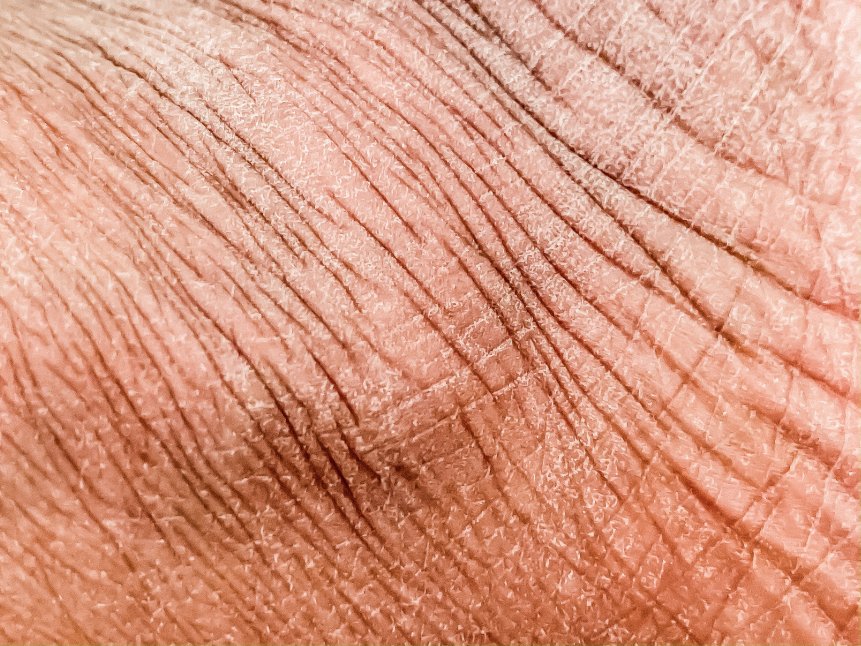
Before diving into causes, it’s worth clearing up a common misconception. Dry skin is a skin type — it refers to skin that produces less sebum (oil) than average. Dehydrated skin, on the other hand, is a skin condition — it means your skin lacks water, regardless of how oily or dry it naturally is.
Yes, even oily skin can be dehydrated. In fact, excess oil production is sometimes the skin’s way of compensating for a lack of hydration. If your skin feels tight, looks dull, or has fine lines that seem to appear and disappear depending on the day, dehydration is likely the culprit.
Common Causes of Skin Dehydration
1. Not Drinking Enough Water
It sounds simple, but it’s one of the biggest contributors to dehydrated skin. When your body is low on water, it prioritises vital organs — and your skin, being the largest organ, tends to suffer last but show it first. Dry lips, a tight complexion, and a lack of plumpness are all signs your internal hydration needs attention.
Aiming for at least eight glasses of water a day is a good starting point, though individual needs vary depending on activity level, climate, and diet.
2. Sun Exposure
Australia’s climate is notoriously harsh on skin. UV rays don’t just cause sunburn and long-term damage — they also accelerate transepidermal water loss (TEWL), meaning your skin loses moisture faster when it’s exposed to the sun without adequate protection.
This is why sunscreen isn’t just an anti-ageing step — it’s a hydration step too. Skipping SPF regularly is one of the fastest ways to contribute to chronic skin dehydration.
3. Air Conditioning and Heating
Spending time in air-conditioned or heated environments significantly reduces the moisture levels in the air around you. Your skin responds by losing its own moisture to equalise with its environment. If you work in an office, live in a climate-controlled home, or spend long hours in air-conditioned cars, this is likely affecting your skin more than you realise.
4. Harsh or Incorrect Cleansers
Over-cleansing or using a cleanser that isn’t suited to your skin type strips away the skin’s natural oils and disrupts its moisture balance. Foaming cleansers with high concentrations of surfactants can be particularly harsh, leaving skin feeling tight and looking flat after washing.
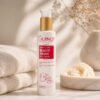
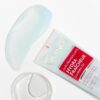
Choosing a gentle, hydration-supporting cleanser — like the Guinot Australia Hydra Fraîcheur Cleansing Gel — can make a significant difference. Formulated to cleanse without stripping, it helps maintain the skin’s natural balance while preparing it for the rest of your routine.
5. Caffeine and Alcohol Consumption
Both caffeine and alcohol are diuretics, meaning they encourage the body to expel more water. Regularly consuming these in high quantities without increasing your water intake will gradually show up on your skin as dullness, fine lines, and a loss of plumpness.
This doesn’t mean you need to give up your morning coffee — but pairing it with a glass of water and keeping alcohol consumption moderate will help your skin retain hydration more effectively.
6. Skipping Toner
Many people underestimate the role of toner in a skincare routine. A good hydrating toner — applied after cleansing and before your serum or moisturiser — acts as a primer for hydration. It helps balance the skin’s pH, removes any remaining impurities, and prepares the skin to absorb subsequent products more effectively.
Skipping this step means your moisturiser is working harder than it needs to, and often delivering less than it could.
7. Using the Wrong Moisturiser
Not all moisturisers are created equal. Some provide surface-level hydration that evaporates quickly; others are formulated with ingredients that actively attract and retain water in the deeper layers of the skin.
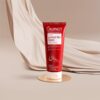
Look for moisturisers that contain humectants like hyaluronic acid and glycerin, which draw water into the skin, as well as occlusives that help seal it in. The Guinot Australia Hydra Summum Cream is a standout option — formulated with hyaluronic acid and Guinot’s exclusive Hydralogic Complex, it works to intensely rehydrate and visibly plump the skin, addressing dehydration at a deeper level.
8. Stress and Poor Sleep
Chronic stress triggers the release of cortisol, which can interfere with the skin’s natural barrier function and reduce its ability to retain moisture. Poor sleep compounds this, as skin repair and regeneration largely happen overnight.
Prioritising sleep and finding ways to manage stress isn’t just good for your mental health — they’re genuinely good for your skin.
How to Improve Skin Hydration: Building a Skincare Routine for Radiant Skin
Once you understand what’s causing dehydration, addressing it becomes much more straightforward. Here’s how to build a skincare routine for radiant skin that prioritises hydration at every step.
Step 1 – Gentle cleansing. Start with a mild, hydrating cleanser that removes impurities without stripping your skin’s natural moisture.
Step 2 – Tone and prep. Apply a hydrating toner to balance skin pH and prime for better absorption of everything that follows.
Step 3 – Targeted treatment. Use a hydrating serum or concentrate. Hyaluronic acid is particularly effective here, as it can hold up to 1,000 times its weight in water.
Step 4 – Moisturise. Lock in hydration with a moisturiser suited to your skin type. For deeply dehydrated skin, a richer formulation will offer better results.
Step 5 – SPF every morning. Protect your hydration investment with daily sun protection.
Consistency is key. You’ll likely notice a difference within two to three weeks of sticking to a routine designed around hydration.
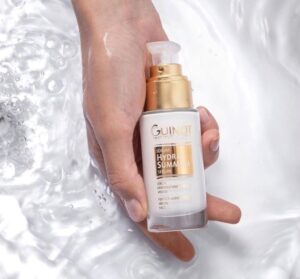
Explore Guinot Australia’s Moisturising Range
Guinot Australia has spent over 50 years developing skincare solutions that deliver visible, lasting results. Their moisturising range is specifically formulated for dehydrated skin — combining scientific innovation with luxurious textures that make the daily routine something to look forward to.
For more information, check out Guinot Australia’s full moisturising range to find the products that best suit your skin’s hydration needs.
Final Thoughts
Dehydrated skin isn’t something you just have to live with. When you understand the causes and take a targeted approach to your routine, it responds quickly and visibly — with a plumpness, glow, and comfort that no amount of makeup can fake.
With the right products and a few lifestyle adjustments, achieving genuinely hydrated, radiant skin is well within reach. And Guinot Australia is here to help you get there.
Stay connected with Guinot Australia for the latest skincare tips, product launches, and exclusive offers. Follow us on our socials: